
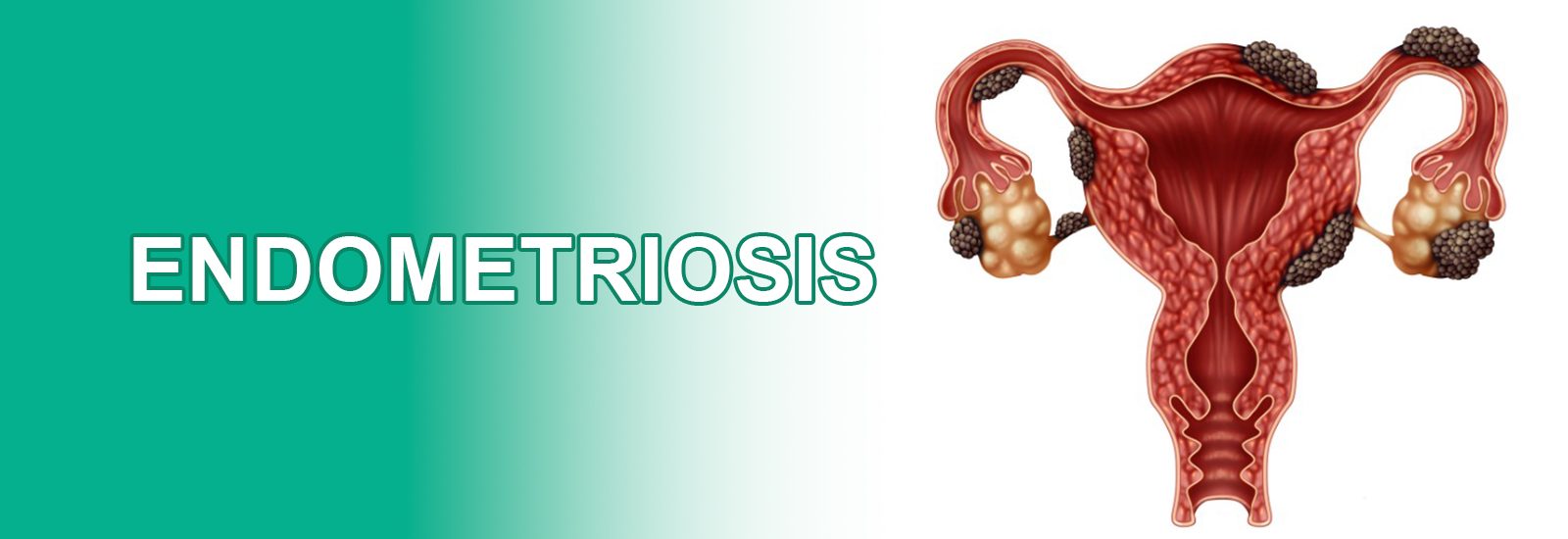
Dr. Swarna Sree - Endometriosis
Endometriosis is a chronic gynecological condition where tissue similar to the lining of the uterus (endometrium) grows outside the uterine cavity. This can lead to inflammation, pain, and in some cases, fertility challenges. Awareness, early diagnosis, and proper management are key to improving quality of life for affected women.
Understanding Endometriosis
Endometriosis occurs when endometrial-like tissue attaches to organs outside the uterus, such as the ovaries, fallopian tubes, or pelvic lining. While the exact cause is unknown, contributing factors may include hormonal imbalances, genetic predisposition, and immune system dysfunction. The severity of symptoms varies, and some women may have significant lesions with minimal discomfort, while others experience intense pain.
Common Symptoms
Severe Menstrual Cramps (Dysmenorrhea): Intense abdominal cramping and pain during periods, which may become progressively stronger over time.
Persistent Pelvic Pain: Continuous discomfort in the lower abdomen or pelvic region, not limited to menstrual days.
Painful Intercourse (Dyspareunia): Experiencing pain or discomfort during or after sexual activity.
Heavy or Irregular Menstrual Bleeding: Excessive menstrual flow or unexpected bleeding between periods.
Painful Bowel Movements or Urination: Discomfort or strain during bowel movements or urination, often worse during menstruation.
Fertility Challenges: Difficulty conceiving due to the impact of endometriosis on reproductive organs.
Diagnosis
Diagnosing endometriosis typically involves:
Medical History & Physical Exam: Assessing symptoms and pelvic tenderness
Imaging: Ultrasound or MRI to identify cysts or lesions
Laparoscopy: A minimally invasive surgical procedure to visually confirm endometrial implants
Managing Endometriosis and Fertility
Management of endometriosis focuses on relieving pain, reducing inflammation, and preserving fertility. Treatment options include medications like pain relievers and hormonal therapies, minimally invasive surgeries to remove endometrial lesions, and lifestyle interventions including diet and exercise. For women facing fertility challenges, assisted reproductive technologies such as IVF may be considered. A personalized care approach ensures both symptom relief and reproductive goals are addressed.
Treatment Options for Endometriosis
Managing endometriosis focuses on relieving pain, controlling symptoms, and preserving fertility. Treatment is personalized based on symptom severity, age, and reproductive goals.
1. Medications
Pain Relievers: Over-the-counter or prescription anti-inflammatory drugs (NSAIDs) to reduce menstrual and pelvic pain.
Hormonal Therapy: Birth control pills, hormonal IUDs, or GnRH agonists help regulate or suppress the growth of endometrial-like tissue.
2. Surgical Treatments
Laparoscopy: Minimally invasive surgery to remove endometrial implants, scar tissue, or adhesions while preserving reproductive organs.
Advanced Procedures: In severe cases, more extensive surgery may be needed, always considering fertility preservation.
3. Fertility Support
For women experiencing infertility, assisted reproductive technologies (ART) like in vitro fertilization (IVF) may help achieve pregnancy.
4. Lifestyle and Complementary Approaches
Balanced nutrition and anti-inflammatory diets can reduce inflammation.
Regular gentle exercise, stress management, and pelvic floor therapy can improve overall well-being.
With the right combination of medical, surgical, and lifestyle strategies, women with endometriosis can manage symptoms effectively and maintain reproductive health.