
Dr swaran sree - Hysterectomy
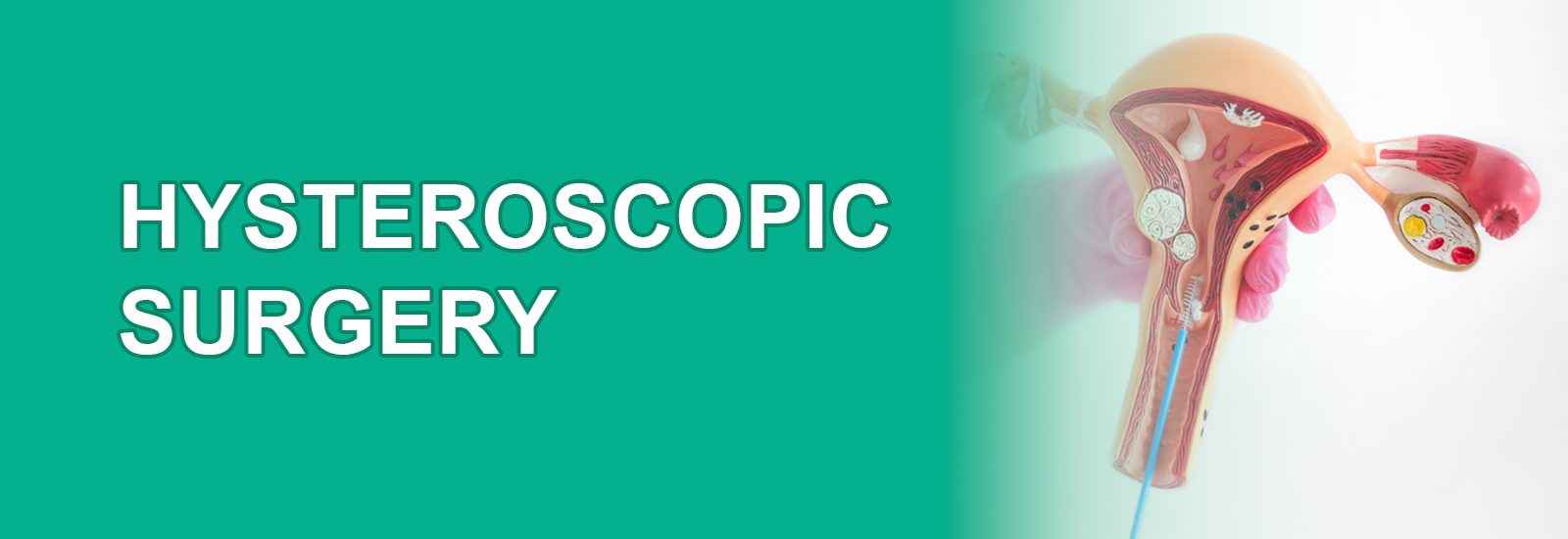
Hysteroscopic surgery is a modern, minimally invasive procedure used to diagnose and treat problems inside the uterus. Unlike traditional surgery, it doesn’t require any cuts on the abdomen. Instead, a thin tube with a camera—called a hysteroscope—is gently inserted through the vagina and cervix to reach the uterus. This technique allows the doctor to see the inside of the uterus clearly and treat conditions such as fibroids, polyps, or abnormal bleeding with great precision. Because it avoids open surgery, hysteroscopic procedures usually cause less pain, minimal blood loss, and faster recovery. Most patients can go home the same day and return to normal activities within a short time. It’s an effective, safe, and fertility-preserving option for many women who want quick recovery and long-term relief from uterine problems.
Why Choose Hysteroscopic Surgery?
Hysteroscopic surgery offers a minimally invasive way to diagnose and treat conditions inside the uterus. It uses a thin, lighted instrument called a hysteroscope, which allows the doctor to see and operate through the vagina—no external cuts required.
This means less pain, faster recovery, and reduced risk of complications compared to traditional surgery.
Conditions Treated with Hysteroscopic Surgery
Hysteroscopy can be used to both diagnose and treat many uterine conditions, including:
Uterine fibroids or polyps – removing noncancerous growths that cause bleeding or discomfort
Abnormal uterine bleeding – identifying and treating the source of irregular bleeding
Intrauterine adhesions (Asherman’s syndrome) – removing scar tissue to restore normal uterine shape
Septum correction – treating congenital abnormalities of the uterus that may affect fertility
Retained tissue after miscarriage or childbirth
What to Expect During and After the Procedure
During the procedure:
Hysteroscopic surgery is usually done as an outpatient procedure, meaning you can go home the same day. You’ll receive a local, regional, or general anesthetic depending on your treatment plan. The doctor gently inserts the hysteroscope through the vagina and cervix to view the inside of the uterus. If needed, tiny instruments are passed through the scope to perform the surgery.
After the procedure:
Most patients can return to normal activities within a day or two. It’s common to experience mild cramping or light bleeding for a short time. Your doctor will give you specific aftercare instructions and let you know when to resume exercise, sexual activity, and other daily routines.